Letterpress
Ink, pressed into paper
What is Letterpress?
Letterpress is one of the oldest forms of printing, where a custom plate is inked and pressed into paper using a printing press.
Most modern printing methods (like digital or laser printing) apply ink flat onto the surface of the paper. Letterpress, however, physically presses the design into the page, creating a soft debossed impression that adds texture and depth.
Each color is printed separately, and each piece is run through the press by hand, which makes the process slower and more intentional.
This level of craftsmanship, along with the use of specialty papers and custom plates, is what makes letterpress more expensive — and also what gives it its distinct, heirloom quality.
Why it's different...
• ink is pressed into the paper, not on top
• each piece is printed one at a time
• thick, soft papers are used to hold the impression
• the process is slower, more intentional
Because of this, letterpress is considered a fine art printing method — chosen for pieces meant to be kept.
The Offerings
Pieces that hold weight
Wedding Invitations
Your first impression, pressed into paper.
Letterpress invitations set the tone with softness, depth, and restraint. Designed with intention, they become something guests pause over — and keep.
Detail Cards & Suite Pieces
The pieces that carry the details, without losing the feeling.
From RSVP cards to accommodations, these elements complete the suite while maintaining a cohesive, tactile experience.
Envelope Elements
Before it’s opened, it’s felt.
Subtle letterpress details — monograms, crests, return addresses — elevate the entire presentation from the very first touch.
Wedding Day Paper
From the table to the moment it’s held.
Pieces your guests interact with throughout the day, given weight and presence through texture.
Heirloom Pieces
Made to live beyond the day.
Vows, letters, and meaningful words transformed into tactile keepsakes — designed to be held onto.
The Process
Letterpress is a slower, more intentional process.
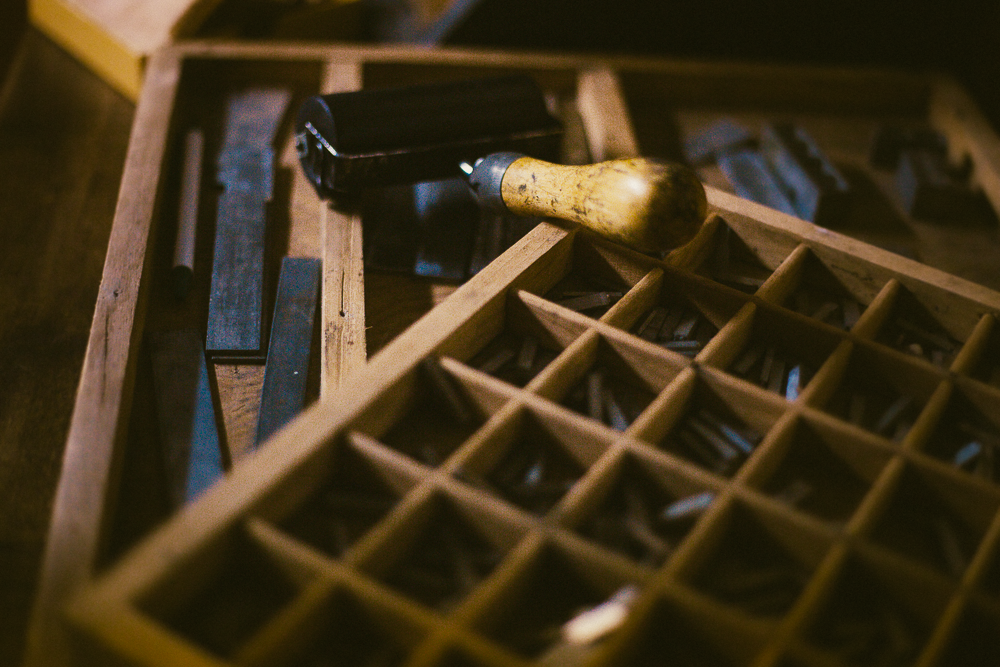
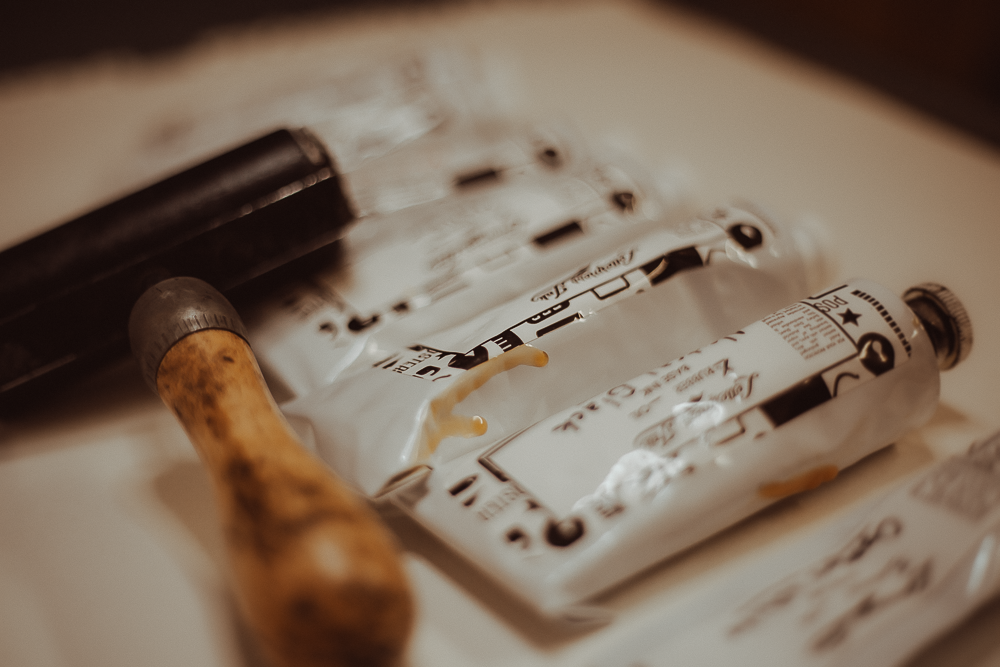
After each design is created it turns into a custom plate. Ink is applied, and paper is pressed into it — one piece at a time.
If multiple colors are used, each requires its own plate and pass through the press.
Because of this, designs are often more minimal, allowing spacing, texture, and impression to take the lead.
Nothing is rushed.
And that is the point.
Expectations
Letterpress is an investment in craftsmanship.
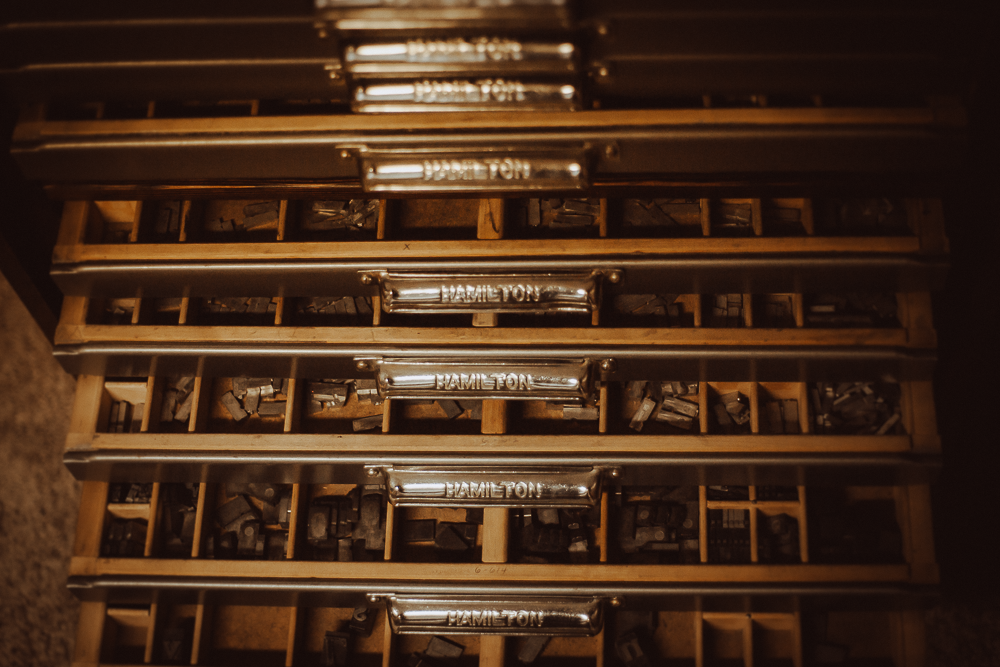
It involves custom plates, specialty papers, and a hands-on printing process that cannot be automated. Because of this, it is best suited for pieces where quality and experience matter most.
For clients who value texture, tradition, and lasting detail, it becomes more than printing — it becomes part of the story.
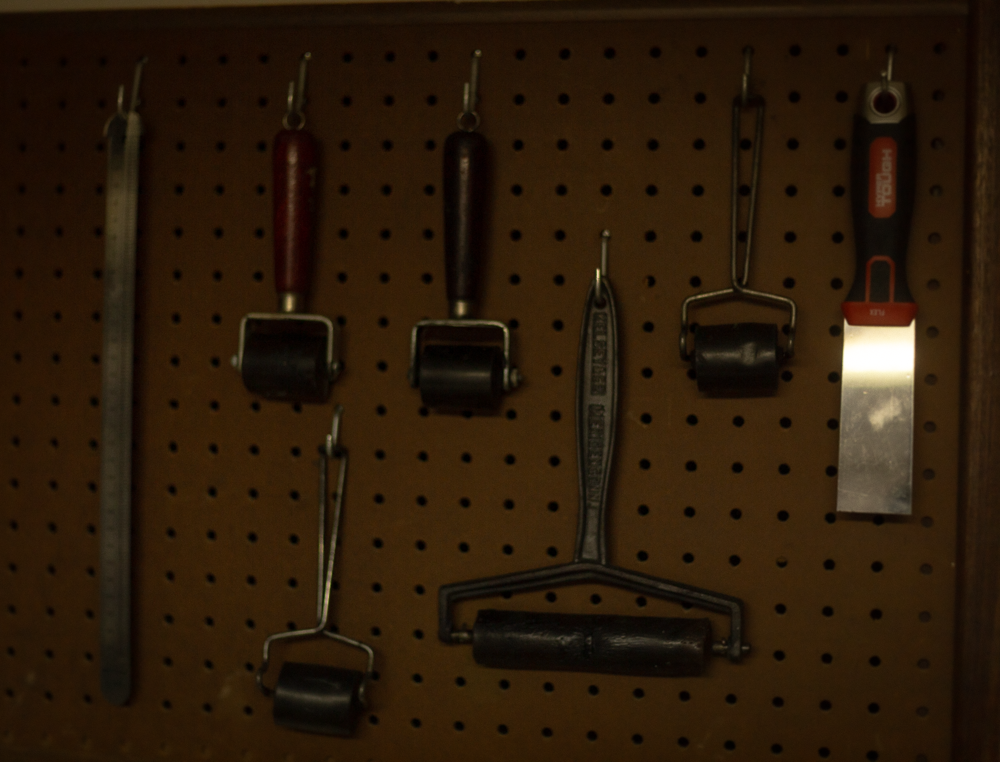
My Press
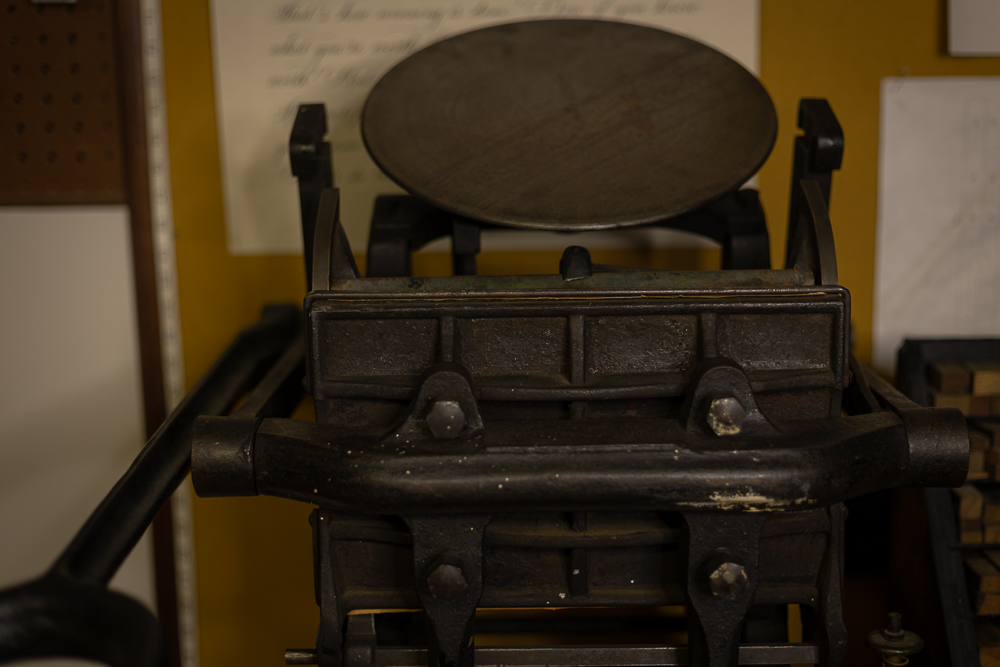
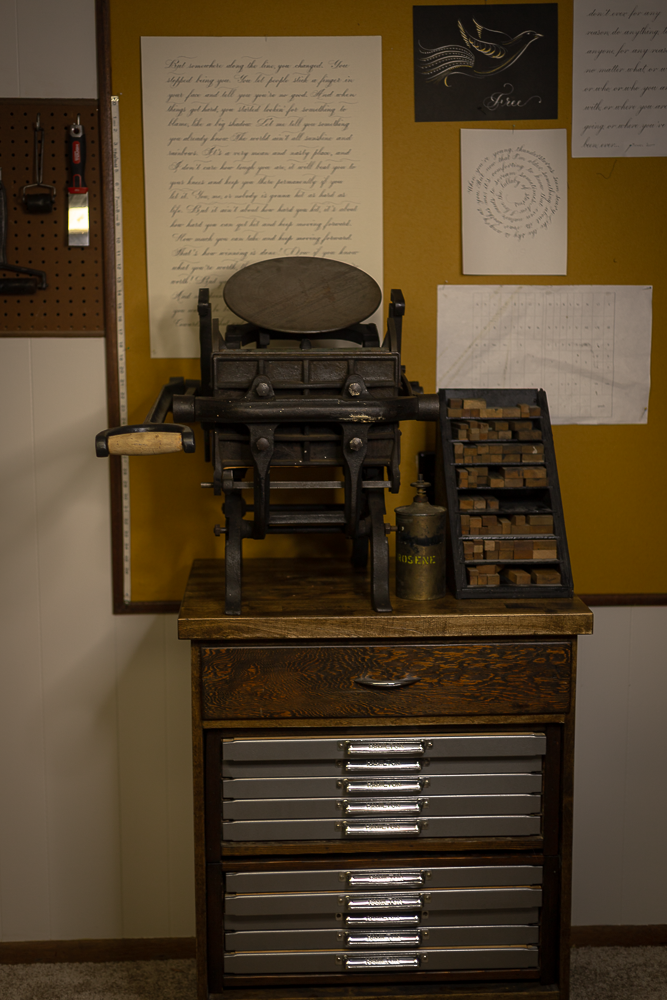
"Oliver"
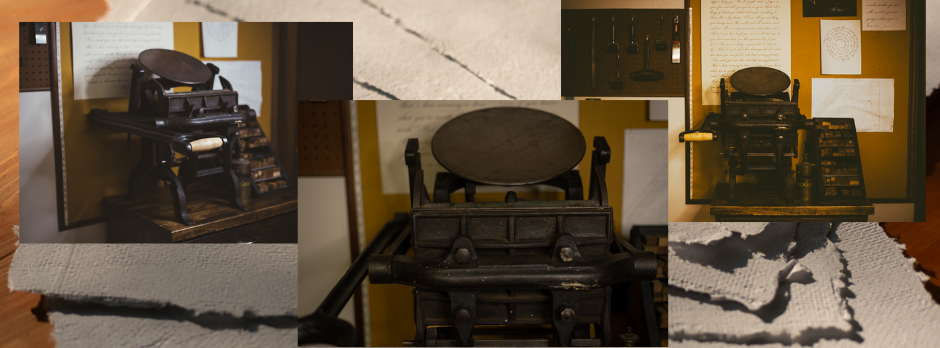
A Chandler & Price Pilot Press
The Chandler & Price Pilot Press was originally introduced in the late 19th century as a compact, tabletop press designed for small print shops, studios, and independent printers. Oliver was made in 1908.
Unlike the larger floor presses used for mass production, the Pilot was created for more detailed, small-scale work — things like calling cards, stationery, and personal printing. Its size made it accessible, but its precision made it enduring.
Over time, it became a staple for printers who valued control, craftsmanship, and the ability to create work by hand on a smaller, more purposeful scale.
Interested?
If you’re drawn to the art of letterpress, we can create something that lives beyond the moment it was made for.